Furniture Storage Tips: Protect Furniture in Storage Efficiently
Storing furniture in Montreal, the South Shore, or the Laurentians? Whether you’re renovating, moving, or downsizing, knowing how to protect your furniture properly is key. Get expert tips to keep your items safe, clean, and damage-free while in storage across Quebec.
Proper furniture storage can keep valuable pieces looking great for years. But if you put them away without the right steps, you might run into damage from moisture, dust, or those annoying accidental bumps.Protecting furniture in storage is simple with the right tips: always clean, wrap, and place items correctly, and consider climate-controlled options for wood or upholstered furniture. Montreal Mini-Storage storage solution makes this process a lot easier, especially if you’re worried about warping, cracking, or mould.
People often overlook storage conditions, but honestly, extreme changes in temperature or humidity can be brutal on your stuff. Try using moving blankets or covers, and if possible, raise furniture off concrete floors to avoid scratches and moisture damage.
Disassembling large items and wrapping each piece can save space and protect those surfaces you really don’t want scratched. Montreal Mini-Storage partners often recommend this step for anyone planning a move or a renovation.
If you’re moving, renovating, or just making some room, you want your furniture safe and ready to use again, right? A little prep now with Montreal Mini-Storage storage solution can save you a headache later.
Key Takeaways
• Clean, wrap, and place furniture securely in storage—seriously, don’t skip this.
• Choose climate-controlled storage for delicate items if you can.
• Following these tips actually extends the life of your furniture.
Essential Furniture Storage Tips
Protecting furniture in storage starts with preparation and the right environment. Careful cleaning and smart packing are a must—Montreal Mini-Storage storage solution and their partners can help you choose the proper storage unit to prevent cracking, mould, or warping.
How to Protect Furniture in Storage
Furniture should be completely cleaned before being placed in storage. Dust, dirt, and spills can attract pests or cause stains to set in over time.
Each item should be wiped down, and fabrics should be vacuumed to remove debris. Take apart large pieces, like tables and bed frames, to save space and reduce stress on joints during storage.
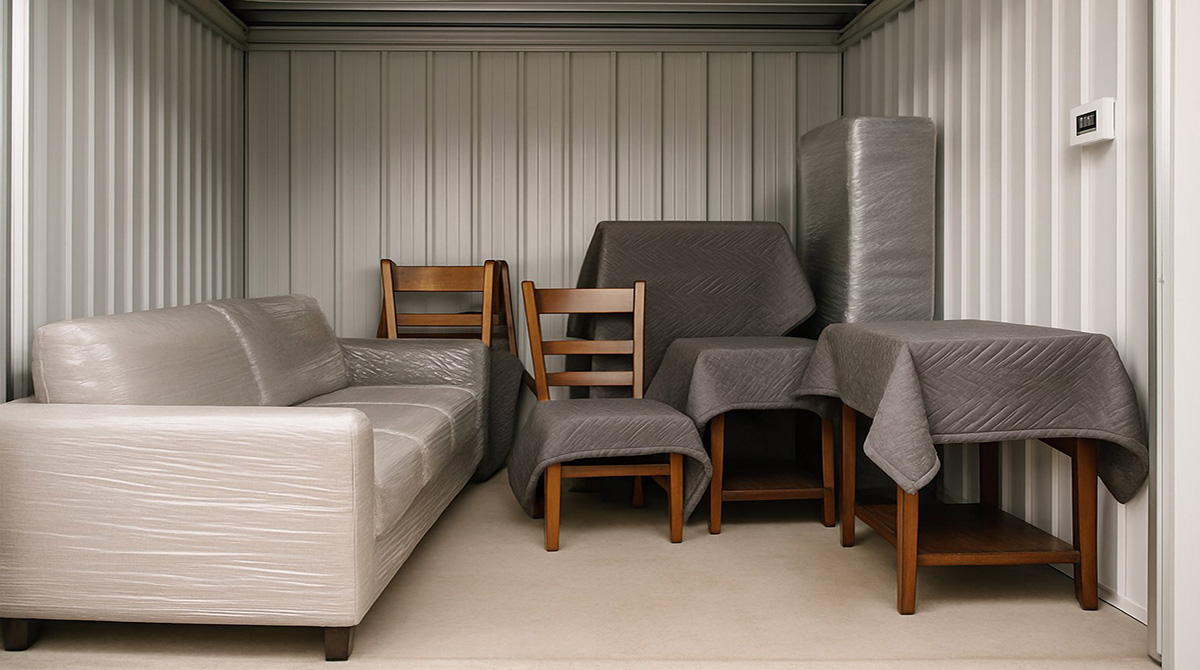
Keep any hardware in clearly labelled bags taped to the furniture. Use breathable covers—old sheets or furniture blankets are great—for dust, scratches, and light exposure.
Avoid wrapping furniture in plastic or shrink wrap, since these materials may trap moisture and lead to mould or mildew. Montreal Mini-Storage partners have more tips on how to protect furniture in storage.
Choosing Climate-Controlled Storage for Furniture
Wood and upholstered furniture are sensitive to temperature and humidity changes. Climate-controlled storage units, like those offered by Montreal Mini-Storage storage solution, keep these levels stable and help stop warping, cracking, and mould.
A stable environment also helps maintain leather furniture, which can dry out or crack in extreme heat or cold. Climate control limits moisture build-up, which attracts pests and encourages mildew.
If the furniture will be stored long-term or in areas with wild weather, climate-controlled storage is worth it. It might cost a tad more, but honestly, the peace of mind is huge. Montreal Mini-Storage partners can explain more about climate-controlled storage for furniture.
Best Ways to Wrap Furniture for Storage
Always use the right materials when wrapping furniture for storage. Soft blankets or thick pads protect surfaces from accidental bumps.
Bubble wrap is handy for fragile surfaces, but don’t let it touch delicate finishes directly—it could leave marks. Lay down plastic sheeting on the storage unit floor to prevent moisture from creeping up into your furniture.
Cover pieces with cotton sheets or fabric covers that let air flow, which helps keep trapped moisture and mould at bay. Wrap delicate items like mirrors or glass tops in moving blankets or thick cardboard.
Don’t stack heavy stuff on top of soft or delicate furniture. Montreal Mini-Storage partners have some solid advice on proper wrapping techniques for storage.
Long-Term Furniture Storage Strategies
For long-term storage, extra planning is important. Store larger items like sofas and tables along the walls so you can still get in and check things out.
Disassemble where possible to use space efficiently and stop stress on joints. Label everything, especially hardware and small parts, and pack them in sealed bags.
Use an inventory list to keep track of pieces and their condition before storage. Regularly check the storage unit for signs of pests, moisture, or damage.
Using a moisture barrier and proper covers prevents problems during extended periods. Montreal Mini-Storage storage solution and their partners have more long-term storage strategies if you need a deeper dive.
Frequently Asked Questions
Protecting furniture in storage takes planning, good wrapping materials, and some extra attention to climate and cleanliness. Common issues include moisture, pests, and physical damage.
What are the best methods for wrapping furniture for long-term storage?
Wrap furniture with soft blankets or padded covers to prevent scratches and dents. Plastic wrap or bubble wrap can be used, but make sure air can still flow to limit moisture buildup.
Avoid direct plastic contact on wood or leather for long periods—it may trap humidity and cause damage. Montreal Mini-Storage partners recommend using high-quality materials for furniture storage.
How can you protect upholstered furniture while in a storage unit?
Clean upholstery before storage to prevent odours and stains. Use fabric or mattress covers that allow air circulation to avoid mould and mildew.
Place pieces on pallets or tarps to keep them off the floor and away from spills and moisture. Montreal Mini-Storage storage solution and their partners know that a little extra care goes a long way, especially for upholstered furniture.
What are the essential steps for preserving wooden furniture in a non-climate controlled environment?
Wood furniture must be cleaned and dried before storage. Apply furniture wax or oil to keep wood from drying out and cracking.
Cover items loosely with breathable sheets; avoid airtight plastic, as this can trap humidity and cause warping or mould. Proper preparation really helps wood items last, and Montreal Mini-Storage storage solution is always there if you need help.
How can furniture be safeguarded against pests like mice during storage?
Inspect the storage unit for gaps and holes before moving furniture in. Use pest deterrents such as natural repellents or traps around the area.
Avoid storing food or scented items that attract pests. Wrapping furniture tightly and storing it off the ground can help keep mice and bugs away—Montreal Mini-Storage partners are always happy to share more tips.
What considerations should be taken into account when storing furniture for extended periods?
Choose a climate-controlled or heated storage unit if possible, especially for items sensitive to humidity or temperature swings. Disassemble large pieces to save space and prevent stress on joints.
Label boxes and parts for easy reassembly. Check on stored furniture a few times a year to catch problems early, and don’t hesitate to reach out to Montreal Mini-Storage storage solution or their partners for support.
Are there specific strategies for storing a couch to prevent damage in a storage unit?
Vacuum the couch thoroughly before putting it away. It’s honestly amazing how much dust and crumbs can hide in there.
Take off the cushions and stash them separately in breathable covers. Montreal Mini-Storage storage solution always recommends this step, and so do their partners.
If you’ve got the space, stand the couch upright. This saves room and helps protect the frame.
Toss a light sheet over the couch—avoid plastic if you can, since airflow matters and nobody wants mould. Montreal Mini-Storage storage solution has seen it all, and this tip really makes a difference.
If you’re curious about more long-term storage tips for couches, here’s a handy guide.